

















Sarah Tulloch from Body Lab joins us at M. Magazine to talk about Mastitis. A common condition for breastfeeding mums to experience, Sarah explains how to prevent it, and what to do if you start developing symptoms.

As a women's health practitioner, what are the most common issues you see arise from mothers who have given birth / beginning their breastfeeding journey?
As a pelvic floor physiotherapist, I see many women who develop pelvic floor symptoms after birth, such as leakage and heaviness. I also regularly see women experiencing blocked ducts and mastitis — which can happen early in breastfeeding, later on, or even during weaning.
Can you tell us a little bit more about mastitis?
Mastitis is an inflammatory condition of the breast tissue. It often begins with engorgement or a blocked duct and it can progress to an infection — this is when you’re more likely to experience flu-like symptoms.

What are the causes for this?
Mastitis can happen for a number of reasons, but some common contributors include:
-
Going too long between feeds or pumping
Poor attachment or latch
Wearing a bra that is too small or compressive
Nipple damage
What are your top recommendations for avoiding mastitis?
-
Wear a comfortable bra that isn’t too tight and has no underwire.
Try to avoid long gaps between feeding or pumping
(this may mean pumping when you’re away from your baby)
Aim to feed from both breasts each time. If baby declines the second side, start with that breast at the next feed
Seek support from a lactation consultant if feeding is painful or you’re having trouble with attachment

If mastitis occurs, what are your tips to manage this?
-
If you develop flu-like symptoms, see a GP as soon as possible - symptoms can escalate quickly, and early treatment is important
(especially if antibiotics are needed)
Use ice packs after feeding or pumping
Try gentle lymphatic-style massage to encourage drainage
(light strokes towards the armpit)
Use a warm cloth or heat pack before feeding to help milk flow
Consider seeing a physiotherapist who uses therapeutic ultrasound for blocked ducts/mastitis support
Avoid any tight or compressive bras or tops

Why is it important to wear a comfortable nursing bra as a breastfeeding mum?
Compression can cause milk to become trapped in a specific area, which can lead to a blocked duct and potentially progress to mastitis.
We'd love to hear your thoughts on how you've found the Mumma Milla bras and cami's?
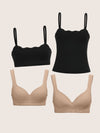
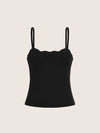
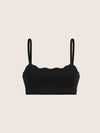
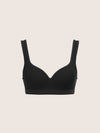
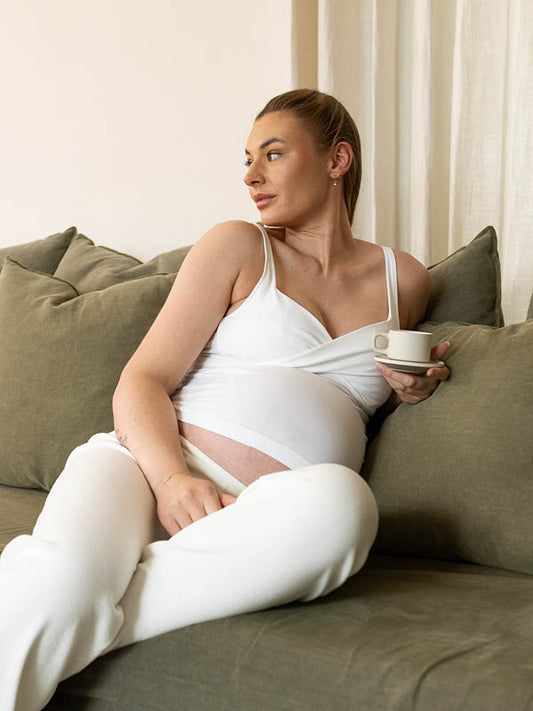
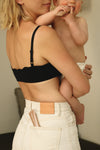
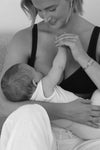
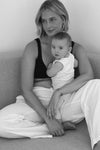
The Mumma Milla bras and camis provide even support around the breasts, without creating a localised area of pressure.
They’re also easy to pull down to feed, without clips.
One issue with some breastfeeding bras is that they have a more “cage-like” structure that stays in place when unclipped. If your breasts are fuller at certain times of the day or night, that structure can sometimes create extra pressure around the outside of the breast.
The Mumma Milla bras allow more flexibility for the natural changes in breast size throughout the day.
They’re also easy to pull down to feed, without clips.
One issue with some breastfeeding bras is that they have a more “cage-like” structure that stays in place when unclipped. If your breasts are fuller at certain times of the day or night, that structure can sometimes create extra pressure around the outside of the breast.
The Mumma Milla bras allow more flexibility for the natural changes in breast size throughout the day.
Any other post-birth recovery advice / tips on how to recover from labour and birth?
Give yourself plenty of time to rest — your body has been through a lot, and recovery takes time. In the first few weeks, I often recommend lying down a couple of times per day to give your pelvic floor a break (especially after a vaginal delivery).
It’s normal to have some bladder or bowel symptoms early on, but things should be gradually improving. If symptoms aren’t improving, or they’re getting worse, I’d recommend checking in with a health professional.
What gentle movement/ exercise can a mum incorporate - how many weeks do you suggest to start gentle exercise?
A great place to start is gentle walking. I usually recommend starting without baby-wearing or pushing a pram initially, so it can help to have someone with you who can do that part. This might be just 5 minutes to begin with, and then slowly building up each week.
Around 4–6 weeks, you may be ready to add in gentle bodyweight exercise, such as mat-based Pilates. Often the hardest part is finding the time, so online programs can be a great option — you can do them at home and at your own pace. Many postnatal programs are designed by women’s health practitioners and include short 10–15 minute sessions, which can feel much more achievable in those early weeks when every day is unpredictable.